
Travel today often feels rushed and crowded. Many trips promise wildlife, but feel hurried and loud. Guests move fast and miss meaning. We understand this challenge clearly. We see travelers seeking calm and clarity. An Arusha National Park walking safari answers this need. It slows the journey and restores focus. It turns travel into learning, not chasing.
We design journeys that remove stress and confusion. A well-planned Arusha National Park day tour can feel simple and smooth. It fits naturally within wider Tanzania adventure tours. Each part connects with purpose. Planning stays clear. Execution stays calm. Guests feel guided, not rushed.
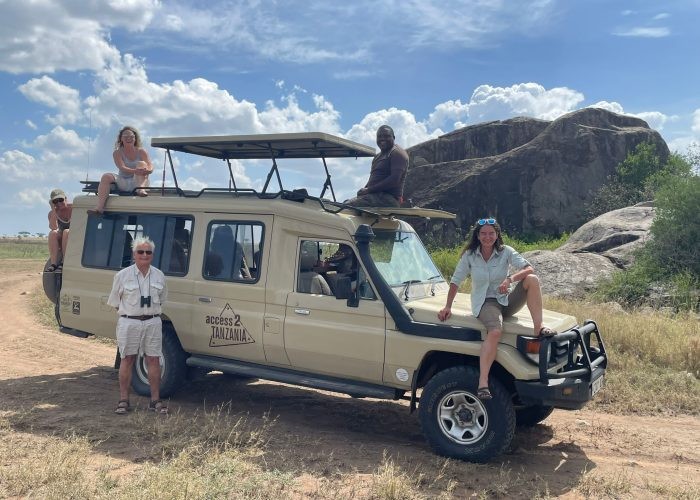
Walking creates deeper awareness.
Walking changes how we experience nature. We hear more sounds around us. We see small details underfoot. We notice tracks, plants, and movement. Our guided walks focus on awareness and safety. Every step has intent and meaning.
This style suits curious travelers. It also suits those with limited time. A walking experience can fit into one day. It can also support a longer journey. We design it to complement other activities with ease.
Solving the problem of crowded travel
Crowds reduce enjoyment and focus. We solve this through careful planning. We choose routes and timing with care. We avoid peak congestion when possible. Preparation protects the experience.
Our guides work full-time with us. They receive training and ongoing support. They are not temporary contractors. This ensures consistency and trust. Guests receive clear guidance at all times.
Clear planning removes stress.
Unclear plans create anxiety before travel. We reduce this with direct communication. We listen first. Then we plan with care.
Our approach includes:
- Clear itineraries with realistic timing
- Reliable vehicles ready for varied terrain
- Experienced guides assigned in advance
- Confirmed schedules and accommodations
- Ongoing support during the journey
This structure allows guests to relax. It also allows flexibility when plans need adjustment.
Support systems behind the walk
Walking requires strong support. Vehicles remain essential before and after the walk. We use well-maintained 4×4 vehicles for comfort and safety. They support access without overwhelming the experience.
Guides remain central throughout. They explain landscapes and animal behavior. They manage pace and group comfort. They ensure safety at all times. This balance builds trust and confidence.
Blending walking with adventure travel
Walking works best within a balanced plan. We integrate it with other activities smoothly. Guests often combine walking with game drives or cultural visits. Each part adds value to the next.
This integration keeps journeys flowing. Nothing feels forced or rushed. Walking becomes a highlight, not an extra. It adds depth and contrast to the experience.
Responsible travel matters
We believe travel should support local communities. Our operations reflect this belief. We employ local professionals. We support education initiatives. Tourism becomes a shared benefit.
Responsible travel also protects natural spaces. Walking encourages respect and understanding. Guests leave informed and thoughtful. That impact lasts beyond the journey.
Who gains most from walking experiences?
Walking suits many types of travelers. First-time visitors gain context and confidence. Repeat visitors gain deeper insight. Families value the educational focus. Solo travelers value guided structure.
Walking also suits those seeking calm. It reduces noise and constant movement. It allows space for reflection and connection.
What defines our approach
We combine local operations with international planning support. This dual presence improves coordination. It also ensures accountability. Guests know who supports them before and during travel.
We focus on problem-solving. Travel can change quickly. We plan for that reality. Preparation and flexibility guide our work.
Measuring real value in travel
Value is not distance covered. Value comes from understanding gained. Walking shifts that focus. It favors quality over quantity. Guests return with meaningful stories.
This belief guides every choice we make. It shapes how we plan and guide journeys. Purpose stays at the center.
Conclusion
At Access 2 Tanzania, we design journeys that solve common safari problems. We replace speed with intention. We replace noise with insight. Our Arusha National Park walking safari reflects this vision clearly. When combined with an Arusha National Park day tour and wider Tanzania adventure tours, the experience feels complete. We believe meaningful travel begins with thoughtful design and trusted guidance.
FAQs
- What is a walking safari?
A walking safari involves guided exploration on foot. Guests learn about wildlife signs and ecosystems. Guides ensure safety at all times. The pace remains slow and educational. - Is a walking safari suitable for beginners?
Yes, beginners can join safely. Professional guides lead every walk. They provide instructions and manage routes carefully throughout the experience. - How long does a walking safari usually last?
Most walking safaris last a few hours. Duration depends on conditions and group comfort. Breaks are included to maintain focus and energy. - What should guests wear for a walking safari?
Guests should wear comfortable shoes and neutral clothing. Layers help with temperature changes. Guides share detailed advice before the activity. - Can walking safaris be combined with other tours?
Yes, walking safaris combine well with other activities. They add balance and variety to a journey. Integration improves overall flow and enjoyment.
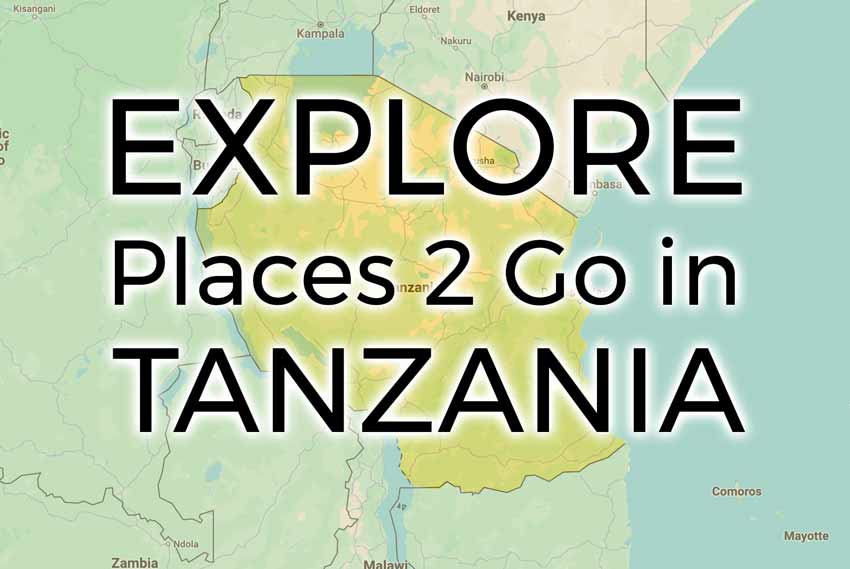

“We loved our experience. The entire trip exceeded our expectations. From the high touch connection with Wilfred, to the wonderful experience, to the finely tuned perfect itinerary, we could not have asked for anything more. While in Tanzania, we felt we were treated special and the trip was customized in real time to meet our needs- our request to eat local Tanzanian food, our request to see all kinds of wildlife beyond the big five to include birds, insects, reptiles, the babboons and the dung beetle. Everything worked according to plan during the trip and we came back with rave reviews.”