
We remember the first moment we looked over the crater rim. The land opened without warning. The air felt cooler, and the silence carried weight. An African safari in Ngorongoro Crater does not begin with movement. It begins with stillness.
We often hear travelers describe a Tanzania safari in Ngorongoro Crater as a checklist of wildlife sightings. We see it differently. Even a Ngorongoro Crater walking safari shifts your focus from what you see to what you feel. The place asks you to slow down and pay attention.
Why Does the Landscape Shape Every Experience Here?
We drive down into the crater before the sun fully rises. The light spreads slowly across the grasslands. The terrain reveals itself in layers. Forest edges meet open plains. Small lakes hold reflections of passing clouds.
The crater formed when a volcano collapsed millions of years ago. Today, it holds one of the most balanced ecosystems in Africa. The natural walls create a contained environment where wildlife thrives year-round.
We do not need to travel far to find life. It surrounds us.
How Do People and Wildlife Share This Space?
We often meet Maasai communities along the crater rim. Their presence adds context to every journey. They do not stand apart from the land. They live within its rhythm.
We learn through conversation, not observation alone. Their stories explain how traditions continue alongside conservation efforts. Cattle graze in designated areas. Daily life continues with purpose and care.
This coexistence shapes the region. It reminds us that conservation is not only about protecting animals. It is about supporting people who depend on the land.
What Happens When You Step Out of the Vehicle?
We slow down when we step onto the ground. A Ngorongoro Crater walking safari changes how we read the environment. The scale shifts from large animals to small details.
We notice the direction of the wind. We study tracks pressed into the soil. A guide points out broken grass and explains recent movement.
During these walks, we often:
- Identify animal tracks and understand movement patterns
- Learn how plants support the ecosystem
- Observe birds and smaller wildlife often missed during drives
We begin to understand the crater as a system, not just a destination.
Why Do Wildlife Encounters Feel So Immediate?
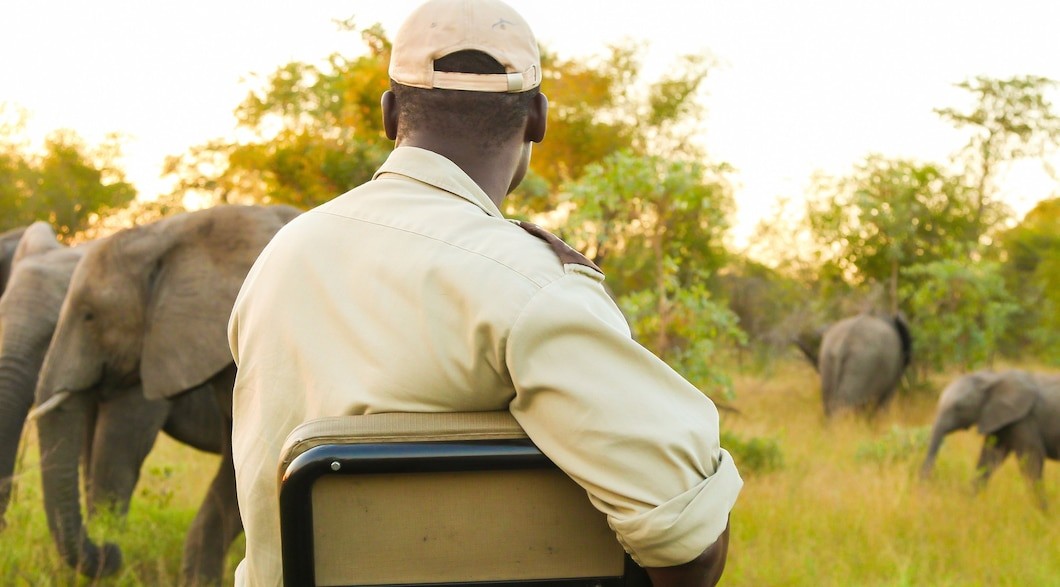
We often find lions resting without concern. Elephants move across the plains with steady purpose. There is no sense of urgency in their behavior.
The crater’s geography plays a clear role. The enclosed space supports high wildlife density. Water sources remain available throughout the year. Animals do not need to migrate far.
This creates consistent viewing opportunities. It also creates moments that feel unplanned and real.
| Element | Impact on Experience |
| Natural enclosure | Keeps wildlife within a defined area |
| Permanent water sources | Attracts animals year-round |
| Diverse habitats | Supports many species in one space |
We observe without interruption. The experience feels natural, not staged.
How Does Time Change Inside the Crater?
We notice a shift in pace as the day unfolds. Early morning feels quiet and focused. Midday brings stillness as animals rest. Late afternoon carries a different energy.
We do not rush between sightings. We allow moments to unfold. A single encounter can hold our attention longer than expected.
This approach creates space for reflection. It allows travelers to absorb the experience instead of moving past it.
What Role Does Responsible Travel Play Here?
We follow strict guidelines inside the conservation area. Vehicle numbers remain controlled. Movement stays within designated routes. These measures protect the ecosystem.
We respect these boundaries because they protect what makes this place unique. Responsible travel supports long-term conservation. It also supports local communities.
We see tourism as part of a larger system. When done correctly, it benefits both people and wildlife.
How Do We Prepare for a Meaningful Safari?
Preparation shapes the experience more than many expect. We guide travelers before they arrive. We help them understand what to expect and how to engage with the environment.
We recommend simple essentials:
- Neutral clothing that blends into the landscape
- Comfortable shoes for walking experiences
- Sun protection for changing weather conditions
- Binoculars for closer observation
We focus on practical choices that support comfort and awareness.
What Stays With You After You Leave?
We often reflect on what travelers remember most. It is not always a specific animal sighting. It is often a moment.
A quiet morning. A distant call. A conversation with a guide. These details stay longer than expected.
An African safari in Ngorongoro Crater creates these moments naturally. A Tanzania safari in Ngorongoro Crater becomes more than a trip when we allow time and space to notice them. Even a Ngorongoro Crater walking safari leaves a lasting impression because it slows everything down.
A Final Thought on the Journey
We do not see the crater as a destination to complete. We see it as a place to experience with intention. Each visit reveals something different.
At Access 2 Tanzania, we design journeys that respect the land, the people, and the pace of the experience. An African safari in Ngorongoro Crater, a Tanzania safari in Ngorongoro Crater, or a Ngorongoro Crater walking safari becomes meaningful when it feels personal and grounded in reality.

“We loved our experience. The entire trip exceeded our expectations. From the high touch connection with Wilfred, to the wonderful experience, to the finely tuned perfect itinerary, we could not have asked for anything more. While in Tanzania, we felt we were treated special and the trip was customized in real time to meet our needs- our request to eat local Tanzanian food, our request to see all kinds of wildlife beyond the big five to include birds, insects, reptiles, the babboons and the dung beetle. Everything worked according to plan during the trip and we came back with rave reviews.”