
Before we mapped out wildlife routes or designed Tanzania Adventure Tours, we kind of spent years just learning, and not in a hurry, from Tanzanian communities through Project Zawadi. The nonprofit focused on educational support for children and young adults in rural Tanzania. At some point, we realized, this part was crucial: travel could join that same larger story. Tourism could help generate opportunity, but only when it’s handled with care and with long-term thinking, not just “quick wins”.
That thought still guides how we approach Mount Kilimanjaro Trekking Tours, safaris, and Zanzibar Beach and Bush Safaris now. We don’t really see travel as some disconnected luxury moment. We see it as a bridge between visitors and the communities that shape Tanzania every day, quietly, steadily.
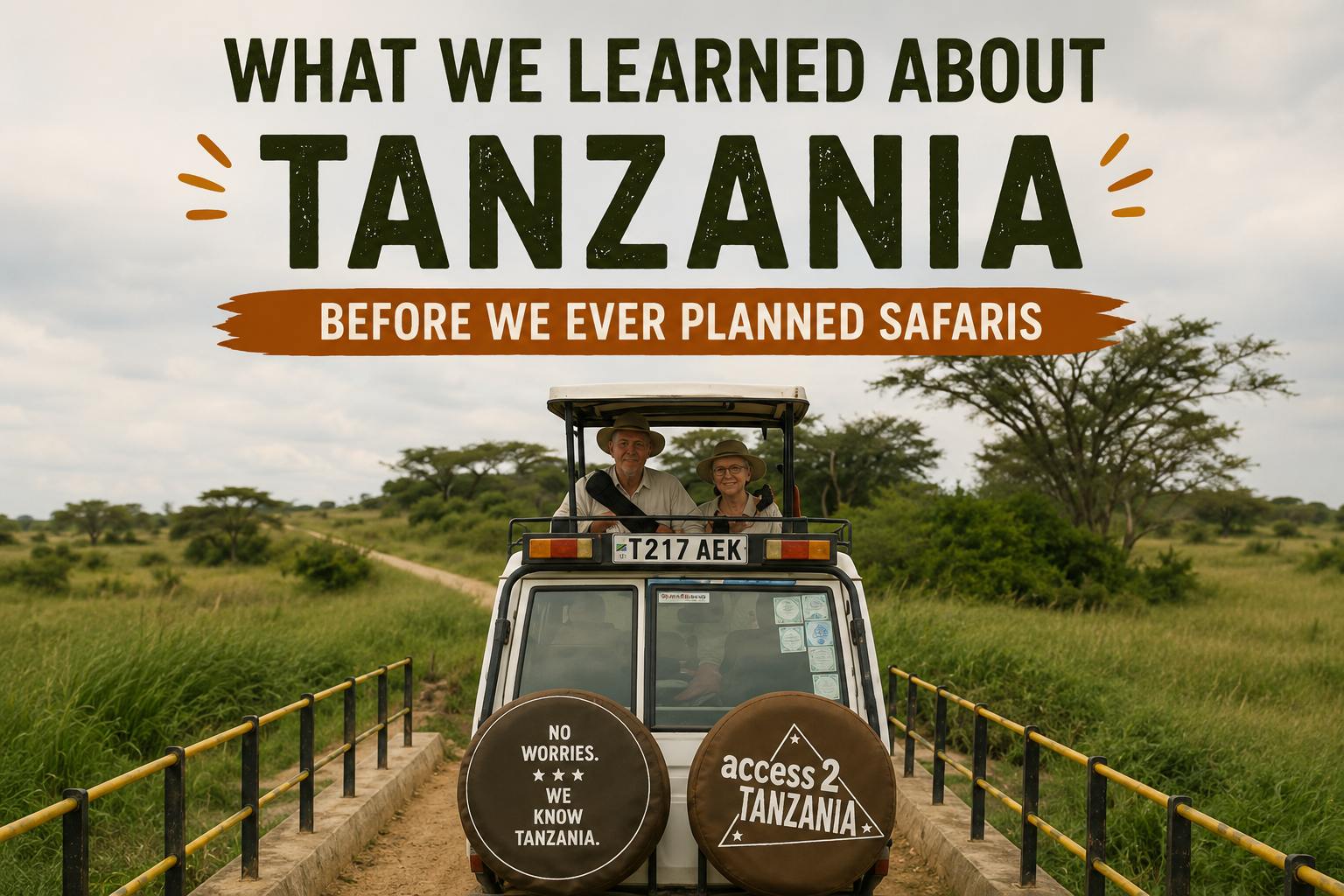
How did education become connected to safari travel?
It did not happen overnight. It was slow. We spent years working alongside local students, families, and educators through Project Zawadi. During that process, travelers started asking more meaningful questions about Tanzania. They wanted more than wildlife photos, yes, still beautiful, but they wanted the background too. The setting. So we understood that tourism could support a wider exchange if it is done responsibly.
That shift mattered because Tanzania’s tourism industry continues growing quickly. According to the Bank of Tanzania, international tourist arrivals exceeded 2.1 million in 2024, compared with 1.8 million in 2023. Tourism earnings also increased significantly during that period.
Growth creates opportunity, but it also creates responsibility. We wanted our business model to reflect both of those things at the same time.
What changes when travel becomes more personal?
The experience changes immediately. Travelers stop viewing Tanzania as a checklist. They begin seeing it as a living place filled with communities, schools, traditions, and daily routines.
That perspective affects how we build itineraries. Some travelers arrive for wildlife. Others come for climbing experiences or cultural visits. Many eventually discover that the most memorable moments happen between destinations.
We often see that during:
- Village visits near safari regions
- Conversations with guides during long drives
- Community interactions near local markets
- Shared meals after trekking days
- Quiet evenings near conservation areas
Those moments rarely appear in advertisements, but they shape how people remember Tanzania.
Why do travelers still seek adventure in Tanzania?
Adventure remains central to the experience. Tanzania offers enormous geographic variety within one country. Travelers can move from the savannah plains to mountain trails and then reach the Indian Ocean within days.
That range allows us to design journeys with emotional contrast instead of repetition.
Our itineraries often combine:
| Experience | What Travelers Often Discover |
| Wildlife Safaris | Ecosystems, migration routes, and conservation realities |
| Mountain Treks | Physical endurance and local mountain culture |
| Cultural Visits | Daily life beyond tourism spaces |
| Coastal Travel | Slower rhythms and Swahili heritage |
| Walking Safaris | Closer observation of the environment |
This variety shapes how people understand Tanzania as a whole.
What makes Kilimanjaro feel so personal?
Many travelers arrive expecting Mount Kilimanjaro to feel competitive. Instead, it often feels reflective.
UNESCO describes Kilimanjaro National Park as home to Africa’s highest peak at 5,895 meters. The mountain’s ecosystems change dramatically during ascent, moving from cultivated farmland to alpine desert and glaciers.
During our Mount Kilimanjaro Trekking Tours, we watch travelers slow down mentally as the climb progresses. The mountain removes distractions. Daily routines become simple:
- Walk
- Rest
- Hydrate
- Listen
- Continue
That simplicity creates emotional clarity that many travelers did not expect.
The mountain also reveals the importance of local staff. Guides, porters, and cooks shape the experience every day. Their knowledge and consistency matter far more than most first-time climbers realize.
Why are travelers combining safari and beach experiences now?
Lately it feels like people want a kind of balance in their day plans. After a few days of wildlife drives or maybe trekking, they often look for some slowing down, recovery, and a bit of reflection somewhere by the ocean.
One reason Zanzibar Beach and Bush Safaris keep gaining momentum is pretty simple. Zanzibar gives you a totally different pace compared with the mainland safari regions. Stone Town kind of pulls you into Swahili history, old trade routes, and that coastal way of living. Then the beaches show up as a solid kind of physical rest after an intense safari timetable, and somehow it just feels natural.
Moving from the bush to the shoreline, people tend to feel the days differently, not just repeating the same experience over and over. In the end, travelers leave with wider memories, more like a mixed tapestry than a single storyline.
Why does guide experience matter more today?
Modern travelers ask harder questions than they once did. They want context, not scripted commentary.
That shift places more importance on experienced guides who understand wildlife, geography, conservation, and local culture together. We believe strong guides create better conversations, not only better sightings.
Good guiding also supports safer and more respectful tourism practices. That matters as visitor numbers continue rising across East Africa.
What do travelers carry home after these journeys?
Most travelers leave with photographs. Many leave with something less visible. They begin understanding how travel affects local economies, schools, conservation efforts, and communities. They realize Tanzania is not one story. It is many overlapping stories connected by land, movement, and people.
That understanding shaped why we built our work around Project Zawadi from the beginning. Our goal was never simply to offer Tanzania Adventure Tours. We wanted our Mount Kilimanjaro Trekking Tours and Zanzibar Beach and Bush Safaris to reflect something more lasting than tourism alone.
Today, Access 2 Tanzania continues operating within that larger idea. Travel can still create wonder, but it can also create connection when it stays grounded in community, education, and long-term relationships.
FAQs
- What is the best time to visit Tanzania for safari and trekking?
The dry season from June through October remains the most popular period. Wildlife viewing becomes easier during these months. January and February also attract travelers because of warmer weather and calving season activity in some safari regions. - How difficult are Mount Kilimanjaro trekking tours?
Kilimanjaro climbs require endurance rather than technical climbing skills. Most routes involve several days of hiking at high altitude. Proper acclimatization, pacing, hydration, and preparation improve success rates and overall comfort during the climb. - Why do travelers combine safari and Zanzibar vacations?
Many travelers want both adventure and recovery in one itinerary. Safaris often involve long game drives and early mornings. Zanzibar offers beaches, cultural exploration, and a slower pace, which helps create a more balanced travel experience. - Are walking safaris safe in Tanzania?
Licensed walking safaris operate with trained guides and armed park rangers when required. These experiences follow strict safety procedures. Walking safaris focus on awareness, smaller wildlife details, and environmental understanding rather than close encounters with dangerous animals. - What makes Tanzania different from other safari destinations?
Tanzania offers wide geographic diversity within one country. Travelers can experience major wildlife ecosystems, mountain trekking, cultural visits, and Indian Ocean coastlines during the same journey. The country also maintains large protected conservation areas with significant biodiversity.

“Access 2 Tanzania provide excellent service from the initial inquiries to returning home with unforgettable memories. The planning process felt very collaborative and productive. All participants were heard and had their questions answered. The choices of lodging and flow of the entire trip were comfortable and met all of our goals. Our group felt very supported and safe throughout the adventure. Because we were familiar with many other’s experiences, we had extremely high expectations and not only were they met, but were exceeded! Thank you to Karen and staff for the planning and guidance.”